

For many students, maths can feel intimidating. For others, it can feel out of reach entirely.
But across England and Wales, tens of thousands of Further Education students are discovering that maths can also be collaborative, energising—and even fun.
Each year, the FE Maths Challenge, organized by the charity Mathematics in Education and Industry (MEI), brings together students aged 16–19 from colleges across England and Wales to compete, collaborate, and build confidence in their mathematical skills. With more than 58,500 students participating from 124 colleges this year, the programme has become one of the largest maths engagement initiatives in the region.
At the heart of the competition from the very beginning? Kahoot!.
We spoke with Martin Newton, the project manager for the FE Maths Challenge, about how the event has grown over the past seven years—and why accessible, engaging tools are key to helping students build confidence in maths.
From classroom quiz to national competition
The FE Maths Challenge unfolds across four rounds, gradually scaling from local classroom play to a national final.
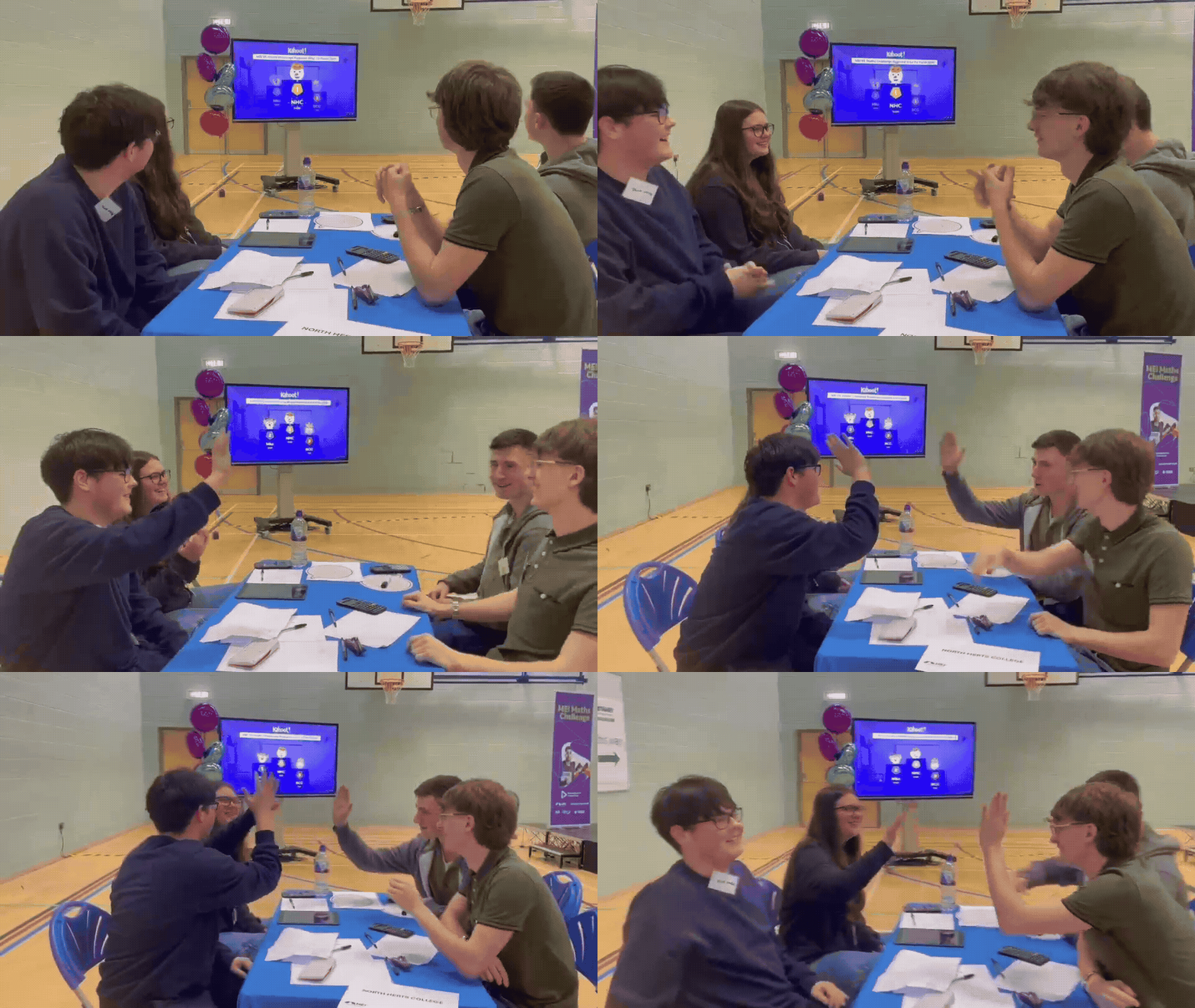
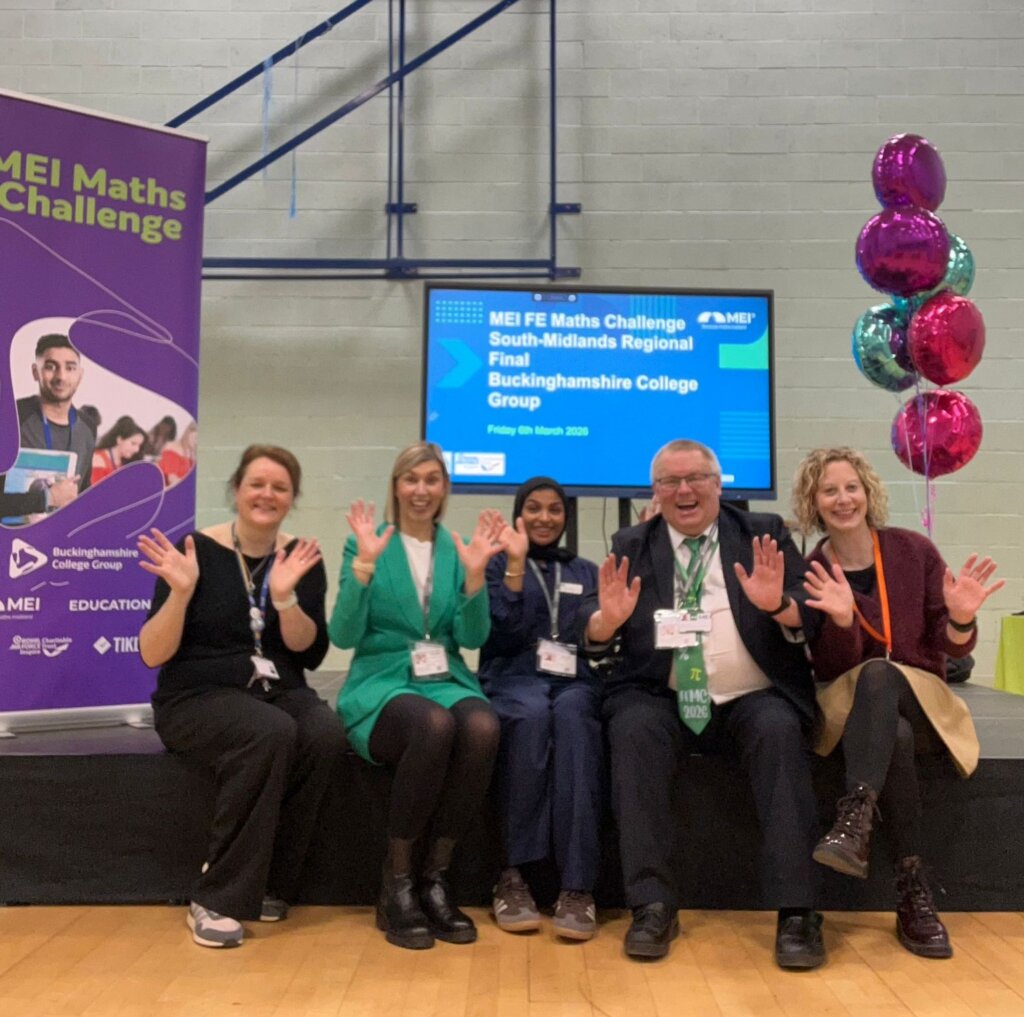
The journey begins in the classroom, where teachers host the first round directly with their students using a live kahoot.Students compete locally within their college, and the top performers move on to the college final, where they face a new Kahoot! quiz alongside additional problem-solving challenges like a collaborative Tarsia puzzle. From there, winners advance to regional rounds, where roughly ten colleges compete in each grouping. The strongest teams move on to the final stage: the national championship, which this year will take place in Solihull on April 21.
For many students, simply reaching the regional stage is already a milestone. But for Martin, the true success of the challenge isn’t about winning.
Creating positive memories around maths
Martin describes organizing the FE Maths Challenge as a career highlight. That’s because many of the students participating haven’t always felt confident in their mathematical abilities. “Many of these students have never felt like they’re smart enough, or confident enough, or bright enough to participate in a challenge like this,” Martin explains. The competition is designed to change that narrative. By blending friendly competition, teamwork, and interactive quizzes, the challenge helps students experience maths in a new way—one that emphasises participation, problem-solving, and enjoyment. “By doing this Maths Challenge, they’re creating happy and positive memories about maths and learning,” Martin says. “That means they’ll feel more empowered and proud of themselves—even if it’s just a medal or ribbon.” And the impact is measurable. After participating in the challenge:
- 96% of students rate the experience as good or excellent
- 82% say it increased their confidence going into GCSE exams
- 80% say it helped them feel more prepared for their exams
For many students in Further Education programmes, that confidence boost can make a lasting difference.