

Kahoot! Ambassador, Benjamin Wakida is a Tech Educator, Business Computing student at Makerere University Business School. In addition, he’s busy as an AWS Student Builder Group Leader, UiPath Student Developer Champion Tech Educator and Community Builder. Benjamin organizes and facilitates technology events across Uganda, with a focus on making technical learning interactive, inclusive and community-driven.
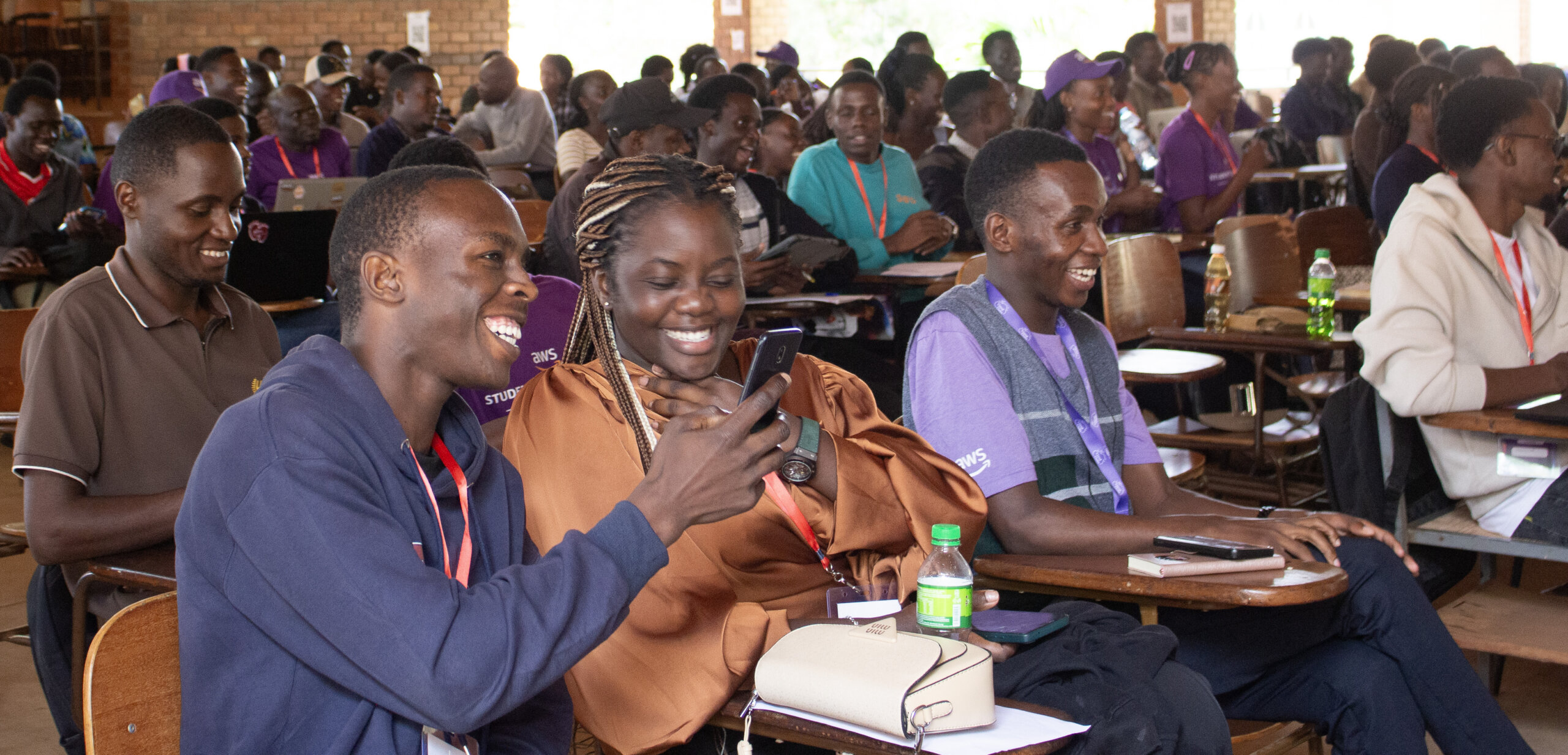
Picture a room of more than 50 people who arrived as strangers: developers, students, community builders and curious newcomers seated together for a day of technical learning. For the first hour, the atmosphere is politely attentive. Laptops open. Notebooks out. Eyes forward. But the energy is thin. The speaker is captivating. The content is valuable. And still, more than half the room is quietly somewhere else.
I have stood at the front of that room more times than I can count. And I have watched Kahoot! change the energy and dynamic in under sixty seconds.
Here is what I have learned after using Kahoot! across dozens of tech events in Uganda: it was never really about the quiz. It was always about what the quiz made possible — the laughter, the debate, the connection, the moment when 50+ strangers stopped being an audience and started being a community.
Over fifty people, one silent room
Across the technology events I have organised and facilitated in Uganda including AWS Student Community Day Uganda, multiple AWS Student Builder Group sessions at Makerere University Business School, the Notion Community Event, blockchain and Web3 meetups and developer workshops. One challenge has remained constant: events regularly draw 50 or more participants, and that scale makes engagement harder, not easier.
At events over 50 attendees, the informal dynamics that keep a small group lively simply break down. Shy participants become invisible. The introverts retreat. The few confident voices dominate. Everyone else becomes an audience, and audiences drift. The irony is that these are motivated people. They showed up voluntarily. They want to learn. But the format is working against them.