


Today’s workforce is undergoing rapid transformation. As AI reshapes every industry, organisations and employees are discovering new ways of working, creating a need for different professional skills and knowledge. For employees, this has both opened opportunities and sparked anxiety.
Many are experiencing FOBO (Fear of Being Obsolete), with nearly half of professionals worrying their skills will be outdated within five years. At the same time, 94 per cent say they would stay longer at an organisation that invests in career development, showing that up-skilling opportunities are a top priority for professionals.
Yet, despite the necessity and demand for learning, skills gaps remain from digital fluency to problem-solving and adaptability. This work landscape is proving to be particularly challenging for Gen Z, who are newer to the workforce and must learn foundational professional skills at a time of rapid change. Older employees may also find this integration of new technology overwhelming and need support with digital skills.
The challenge for organisations is clear: provide employees with the learning support they need to prepare for the future of work. Edutech offers a pathway to achieving this goal by delivering scalable, engaging, and personalised learning opportunities tailored for modern employees.
Drive continuous up-skilling and adaptability with micro-learning
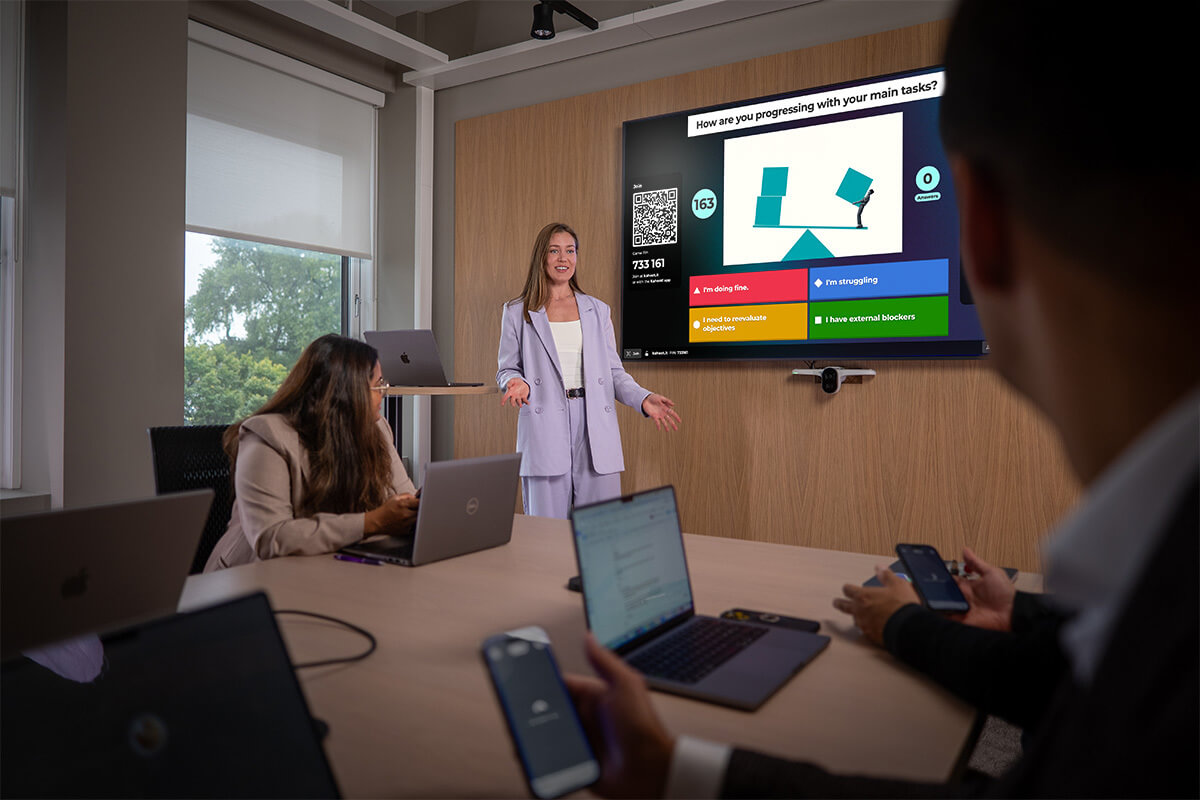
With AI accelerating the pace of change, organisations can no longer afford to only deliver employee training in all-day sessions once or twice per year. Instead, edutech tools enable managers to embed learning into the flow of everyday work with micro-learning. Mobile-friendly and bite-sized training formats ensure learning can happen anytime, anywhere, and are especially appealing to Gen Z as digital natives. These sessions are easier to fit into employees’ busy schedules without disrupting work routines, while also making learning a continuous process that can be quickly adapted according to changing needs.
Micro-learning can be designed to help employees build skills and knowledge step-by-step as they need it. This lets employees see the relevance of the training right away, which is a key factor in keeping learners engaged and helps employees avoid information overload.
Edutech can also make it easier for employees to track their learning progress, filling knowledge gaps and developing new skills at their own pace. For employers, integrated reporting helps track participation across training sessions, identify skill gaps, and refine future learning strategies. With full visibility of their workforce’s strengths and weaknesses, and how they respond to the training in real time, trainers can continuously adapt their approach to be more efficient and impactful.
Add interactivity to make learning engaging and effective
Traditional training methods like long modules, static slide decks, and one-way seminars often fail to keep employees motivated. With edutech, trainers can design learning experiences that are interactive, using gamification, real-time feedback, and adaptive learning paths that make sessions memorable and effective.
In fact, research has shown that interactive learning lowers employee attrition rate by 37 per cent.
A new innovative approach to training doesn’t need to take a lot of extra time or effort, either. Organisations can use AI to transform existing training materials into interactive or even gamified experiences. AI-enhanced edutech can also make it easier to personalise learning, giving employees highly relevant training that’s suited to their needs and learning styles. With the right tools, even compliance training or technical refreshers can become experiences employees look forward to.
Encouraging collaboration and knowledge sharing
Beyond individual learning, an AI-ready workforce requires collaboration and collective problem-solving. Peer-to-peer learning and knowledge exchange sessions can be a powerful way to connect teams while promoting learning. However, many employees would hesitate to give a presentation to their colleagues even with valuable information, simply for fear of boring their coworkers.
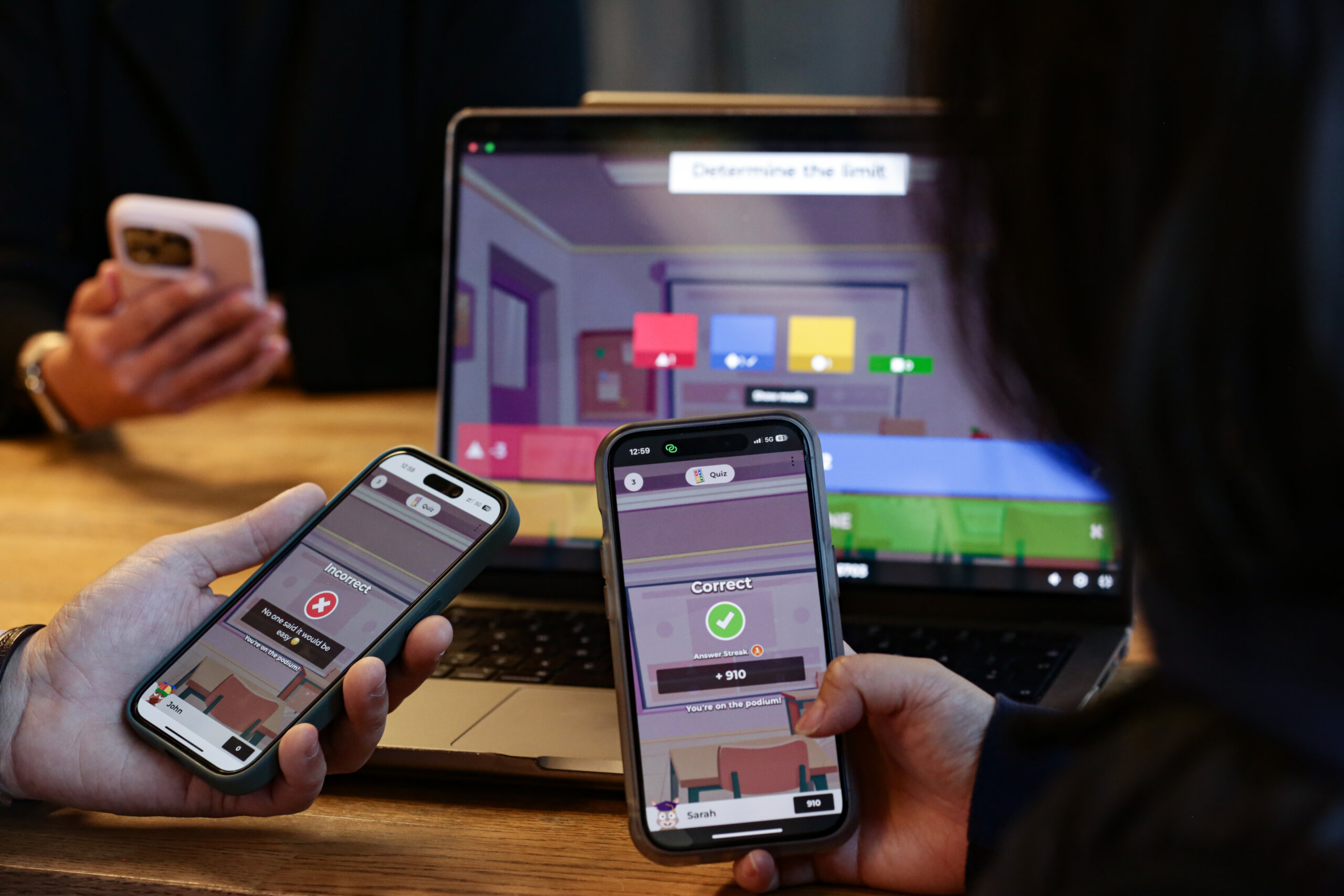
Edutech platforms can help professionals turn these dry sessions into exciting and energising activities by using friendly competition or collaborative challenges. Session hosts can test their coworkers’ knowledge with gamified quiz questions, and use live polls, Q&As, and brainstorming to ensure everyone has a voice, even in hybrid or global teams. Employees can also use AI tools to create these peer learning sessions, helping them build AI skills at the same time.
Preparing today for tomorrow’s workforce
As AI transforms industries at a lightning-fast pace, the workforce must evolve just as quickly. Edutech can play a crucial role in this transformation by making learning engaging, accessible, and collaborative, and enabling organisations to deliver it at scale across their workforces.
Organisations that invest now in embedding edutech into their talent strategies will not only be better equipped to future-proof their workforce; they can also unlock new levels of productivity, retention, and innovation. Ultimately, the intersection of AI and edutech is about empowering people with the confidence, curiosity, and collaboration skills they need to thrive in the years ahead.
Get started transforming employee upskilling at your organisation with Kahoot! 360, the ultimate workforce engagement platform!
This blog post is based on an article originally published in e27.