


Gen Z workers are entering the workforce with a clear understanding: developing new skills is required to keep up with the changing workplace. If they can’t find learning opportunities at their current company, they’ll start looking for an exit, impacting retention rates. Recent research has shown that on average, Gen Z employees stay at a job for only 1.1 years, the shortest time of any age group, with lagging career progress a main driver of the trend. At the same time, younger employees have had the sharpest drop in feeling that they have opportunities to learn and grow at work.
Shorter tenures can lead to underinvesting in training Gen Z employees, reinforcing their decision to seek a new role elsewhere, and restarting the cycle of recruitment and onboarding all over again.
If companies want to get out of the vicious cycle and help Gen Z employees stay and grow on their team, they must offer learning and development that meets Gen Z where they are and aligns with how they actually want to learn. HR leaders can get started with three simple steps.

1. Nail the First Impression With Optimized Onboarding
As new employees’ first post-offer experience of the company they are joining, onboarding is pivotal as it directly impacts employee retention, as 80% of workers say better onboarding would convince them to stay at their company longer. When employers do onboarding right, new hires get to know the company culture and gain confidence that their organization will support and equip them to succeed. But how many employers are achieving these top marks? According to Gallup, just 12% of workers say their company does a great job onboarding new employees.
Insufficient or unstructured onboarding, on the other hand, can leave new joiners feeling thrown in the deep end. For Gen Z employees who are new to the workforce and those still building basic professional skills, this can be especially daunting, with two-thirds of Gen Z employees now admitting to feeling out of their depth at work, according to the recent report from Kahoot.
To set up new Gen Z employees for success from day one, offer clear learning roadmaps, with structured, step-by-step progression. Show employees how they can grow over time too, enabling them to see opportunities for a fulfilling future with the organization. Organizations should also encourage and empower managers to take center stage in the process, rather than assuming that onboarding is a task for HR alone. While HR can familiarize new Gen Z hires with the company, managers can prepare them to contribute, setting both the stage and expectations, and helping them to build immediate connections to their new team by being actively involved.
2. Build Employee Confidence With Continuous Feedback
We have all become accustomed to instant feedback through the digital tools we use, and our workplaces should be no different. Regular feedback is not only important for guiding employees toward better performance, but also for helping employees build confidence in their skills. Among Gen Z, confidence as professionals has become a major roadblock to thriving at work. Only 39% of Gen Z workers report feeling prepared to perform well in their role, and one-third plan to leave their job in the next six months. Turning the tide for Gen Z employees who feel left behind really can’t wait.
Start nurturing this two-way conversation by weaving feedback opportunities into the flow of work, including team meetings, town halls, and project kick offs. This feedback can help Gen Z workers identify skill gaps to work on and skills they excel in. Additionally, leaders can give Gen Z team members opportunities to provide feedback too through brainstorming, polls, and other interactive activities, empowering Gen Z employees’ voices.
3. Design Learning for Flexibility and Engagement
As the first generation of truly digital natives, Gen Z grew up using digital learning tools in school that allowed them to interact, collaborate, and personalize their experience. In workplaces, however, many Gen Z employees are being met with one-size-fits-all training materials that often feel disconnected from their actual job responsibilities. This gap may be contributing to the feeling that Gen Z is particularly challenging to connect with and support, with 60% of corporate leaders saying Gen Z is the hardest generation to engage.
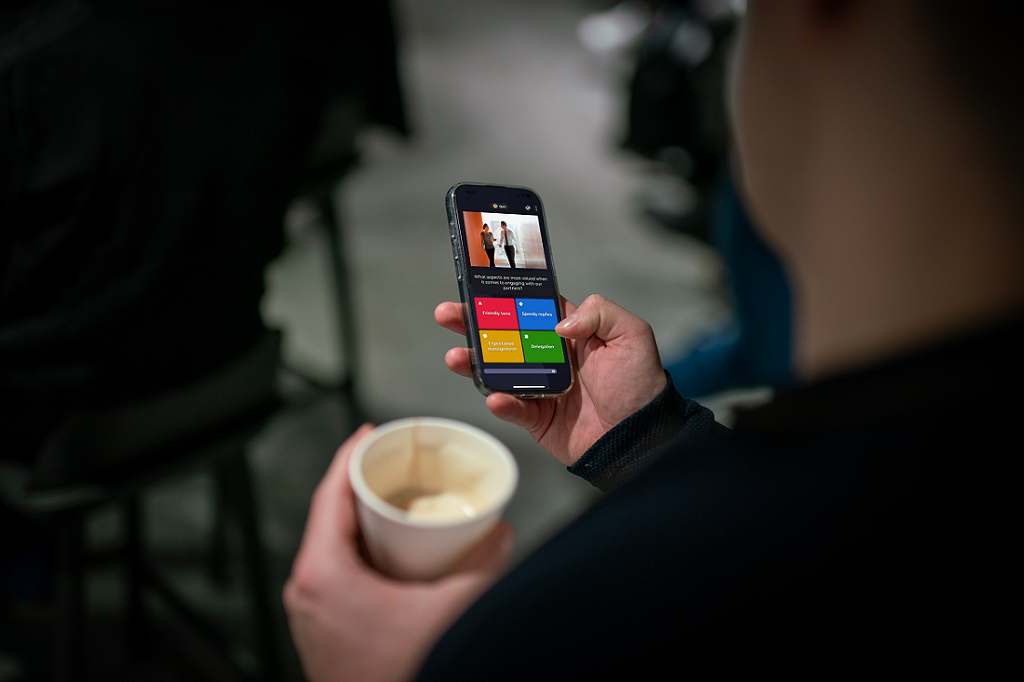
Engaging Gen Z with corporate learning requires strategies aligned with how Gen Z engages with the world. While much of training today is done solo, the Workplace Culture Report shows that 35% of Gen Z workers prefer learning in a group compared to only 21% who prefer learning alone. Create moments for employees to interact with co-workers and the content, such as with gamified quizzes, Q&As, and peer knowledge exchange.
To make learning more flexible, companies can adopt micro-learning — quick five-minute sessions that employees can complete at their own pace anywhere. Not only is this tailored for how Gen Z consumes information, but it can also have real learning benefits. With micro-learning, employees can learn information or skills as they need them, instead of learning everything in one long training session and potentially forgetting most of it within days. Immediately applying knowledge helps learning stick, increasing training ROI and driving real behavior change.
Gen Z is the present and future of the workforce, and their learning today lays the foundation for the leaders they will become. To better prepare them for success and to fulfill their potential, HR leaders and organizations must deliver learning support that meets the moment and offers genuine pathways to growth.
Start elevating your workforce training to boost productivity, performance, and retention with Kahoot! 360, the ultimate workforce engagement platform!
This blog post is based on an article originally published in SHRM.