


Students in vocational training and other workforce programs are preparing for important and demanding careers where knowledge and skill mastery is critical. This creates a unique set of challenges for vocational educators and trainers: how can educators bridge the gap between classroom theory and real-world decision making on the job and in the field, all while keeping students engaged and motivated to learn?
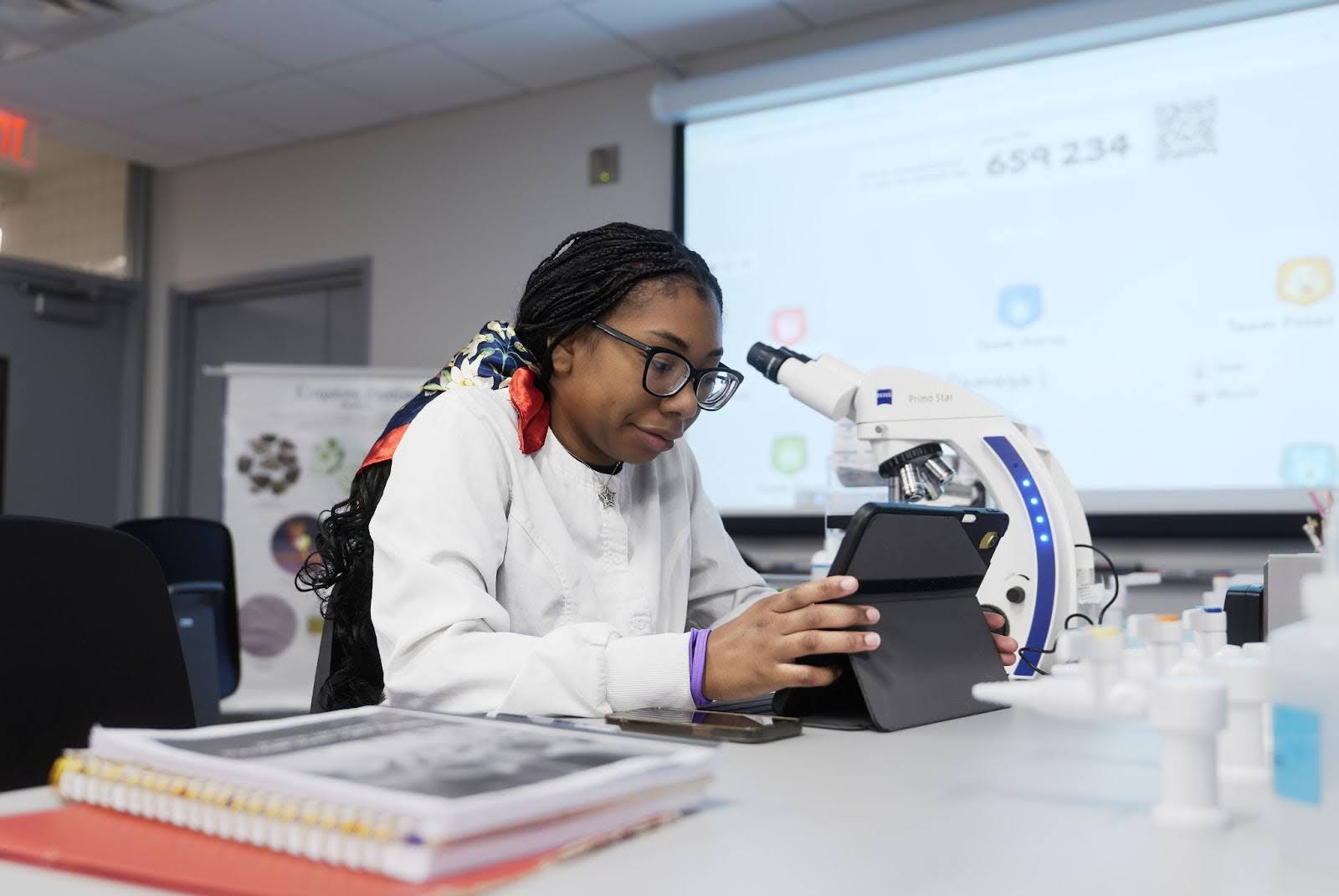
To explore these challenges and how educators are elevating their students’ future-ready skills with Kahoot! EDU, we hosted a free webinar joined by two outstanding instructors: Chantelle Hall, Director of the Respiratory Care program at Miami Dade College, and Suzanne Freeman, Professor of Fire Technology at Santa Ana College. Chantelle and Suzanne both shared actionable insights into the innovative ways they’re equipping students with the knowledge, practical skills, and confidence to succeed on the job. We were also joined by a student from Chantelle’s Respiratory Care program, Ailene Cespedes, who discussed the ways of leveraging Kahoot! to be most effective in supporting her learning.
Missed the webinar live, or want a refresh? Watch the recording free on-demand to replay all the exciting tips and tricks!
From theory to practice: developing students’ workforce readiness
In this webinar, attendees were treated to a kahoot session in Lecture mode, a great way of turning a presentation into an engaging two-way experience. Next up was the panel discussion on challenges and solutions in vocational education and other hands-on fields, and finally Chantelle demoed how she is leveraging Kahoot! in her lectures, showcasing its impact both in her classroom and beyond.
Our panel of expert educators dove into a discussion of the challenges instructors and students face in translating theoretical knowledge into practical competency required in demanding fields, including Fire Technology and Respiratory Therapy.
As Chantelle noted, “Especially with my new students, there is a strong fear of making mistakes. Since we are dealing directly with patients’ lives, they are understandably scared of making any errors.”
Ailene, a Respiratory Care student who just completed her final exams, highlighted: “Respiratory therapists must consistently think on their feet. The necessary mix of critical thinking and the extreme pressure we face makes this an essential skill to master.”
Elevating student engagement and motivation
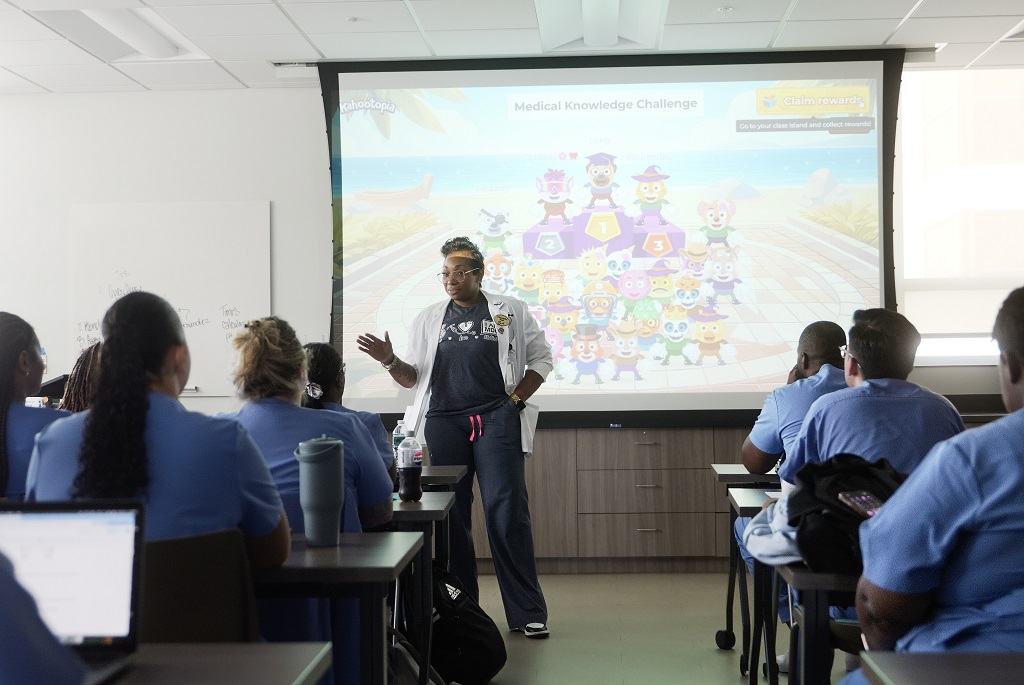
With engaging students consistently showing up as a top challenge, we asked our panel how they keep their students motivated and actively engaged in the subject matter. Chantelle underscored the importance of breaking up the monotony of a lecture by supplementing it with interactive questions and activities—made easier with Kahoot!’s slide sync feature—in addition to well-timed coffee breaks.
“I’m providing the students with five points of contact for learning,” Chantelle said. “Students learn in different ways. We’ll engage with the patient directly, discuss topics during lectures, and play a kahoot game to apply their knowledge. This gamified approach encourages healthy competition among classmates, which I find both enjoyable and rewarding to observe as they interact.”
Ailene agreed, adding, “I like Team mode, where we work in groups, because I get to hear how other people are interpreting the information as well, and that actually helps a lot.”
Identifying skills gaps and building competency
The panel discussed how crucial it is to check that students understand the material, and that if students have any misconceptions or skill gaps, they’re flagged right away. The good news is that the interactive questions used for engagement throughout a lecture can also provide real-time insights into students’ comprehension.
Both Suzanne and Chantelle explained how they watch for questions students struggle with and address any knowledge gaps in the moment. Suzanne and Chantelle also noted how these low-stakes assessments—whether in the classroom or in self-study—give students the opportunity to fail forward. Through low-stress, gamified experiences, students can learn where they need to review or refine their knowledge, helping them study more effectively and prepare for exams with confidence.
As Suzanne explained, “I use Kahoot! for low-stakes, formative checks, […] to surface misconceptions immediately. If half the class selects the same incorrect answer, I don’t view that as a failure. Instead, it effectively tells me, ‘Stop, Suzanne. Don’t move on. We have to fix this concept right now.'”
Chantelle shared how she uses these insights into students’ understanding in a similar way: “We pause, and that gives me a chance to review the information again in real time. Students may be reluctant to raise their hands and admit they didn’t understand it, but this process ensures we are all going over the material again.”
One popular way to do this on Kahoot! is with Accuracy mode, which emphasizes precision over speed. In Accuracy mode only correct answers count, and there are no extra points for answering quickly. This encourages students to slow down and think critically before giving their answer. The newly launched Confidence mode lets students indicate their certainty. This makes it a safe‑to‑fail way to spot knowledge gaps and misconceptions, and rehearse critical decision-making.
We also looked at how these experiences align with evidence from independent research. Recent studies have revealed that Kahoot! helps students in vocational education and career-focused fields to improve their knowledge retention, understanding, and performance in high-stakes exams, as well as to feel more engaged and confident in their skills.
Critical practice: applying learning under pressure
For many learners, their future roles will require critical decision-making under time constraints. This is very much the case in both the Respiratory Therapy and Fire Technology fields, making preparing students for these scenarios a key priority for Chantelle and Suzanne.
To give students the opportunity to practice critical thinking and problem-solving under controlled, yet realistic, pressure, Chantelle shared how she uses Kahoot!’s flexible gameplay options to raise the stakes in simulations and assessments, including adjusting the timer and assigning double points for challenging questions.
Chantelle explained: “I have to use the timer, and I keep that timer tight, because what we do in real life is time-sensitive. Yes, it’s stressful, but they’re learning how to think through the stress.”
After wrapping up the discussion, Chantelle demoed a lecture she delivered in her class. To create this interactive lesson, she synced her slides on Kahoot! and added questions to keep students engaged throughout the content-heavy lesson. She shared that she saved time by leveraging AI image suggestions, and noted the positive student response—they even clapped after the first Kahoot! session she played in Lecture mode! Learn more about how Chantelle and other instructors at Miami Dade College power learning and engagement in their classrooms with Kahoot! EDU.
As the webinar came to a close, attendees shared how valuable it was for them to discover new ways of using Kahoot! in higher ed and colleges from fellow instructors. “Excellent presentation today!” one attendee said. “Wonderful ideas for college use. This was helpful!” Another attendee shared, “Great points! I loved how Suzanne stated that ‘Kahoot! is a tool, not a toy.’”
Deliver engaging, practical, and hands-on learning with Kahoot! EDU
Trusted by leading vocational training institutions globally, Kahoot! EDU is the all-in-one engagement, teaching, assessment, and review toolkit to drive end-to-end instruction across your campus. With Kahoot! EDU’s easy-to-use tools, educators can deliver instruction that engages students with interactive and hands-on challenges, as well as track students’ learning progress with skills-based assessments and clear reports.
Explore how educators can turn existing class materials such as PDFs, web pages, and presentations into interactive learning experiences with the Kahoot! AI Generator. Streamline workflows by seamlessly syncing kahoots with Google Slides and PowerPoint. For an optimized presentation experience, Lecture mode gives instructors more control and flexibility in their interactive presentation, making it even easier to boost engagement and knowledge retention. Accuracy mode also encourages students to focus on precision in their answer, rather than speed, emphasizing critical thinking and mastery. The newly launched Confidence mode lets students indicate their certainty, transforming recall into valuable judgment practice. This game mode is a safe‑to‑fail way to spot knowledge gaps and misconceptions, and rehearse critical decision-making.
Discover more about how you can bring engaging instruction, hands-on training, and skills-based assessment to your campus with Kahoot! EDU!